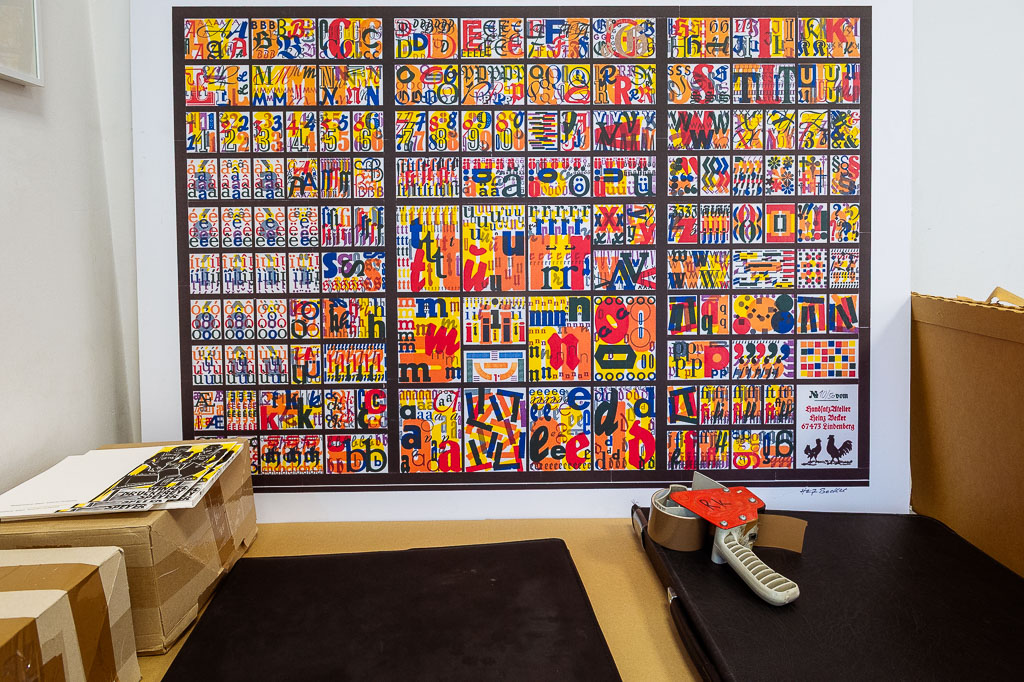
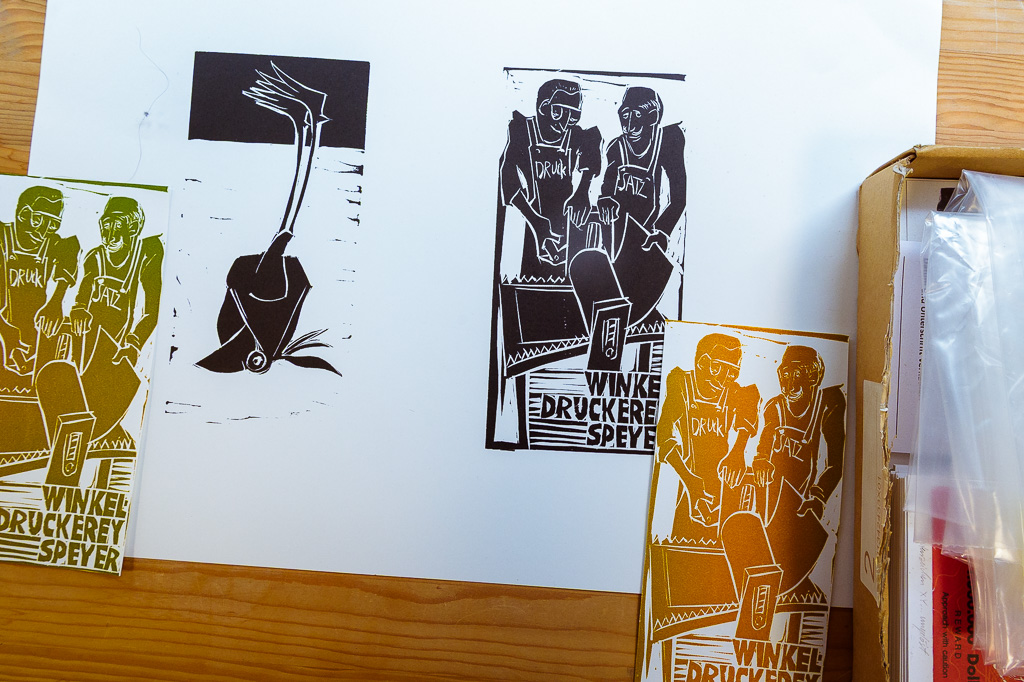
Speyer was a hub for printing in Germany in the 1960s and 1970s. This is reflected in the Winkeldruckerey printing house in Flachsgasse road, where Johannes Doerr and Remo Krembel cooperate with artists from the region and from throughout the world.
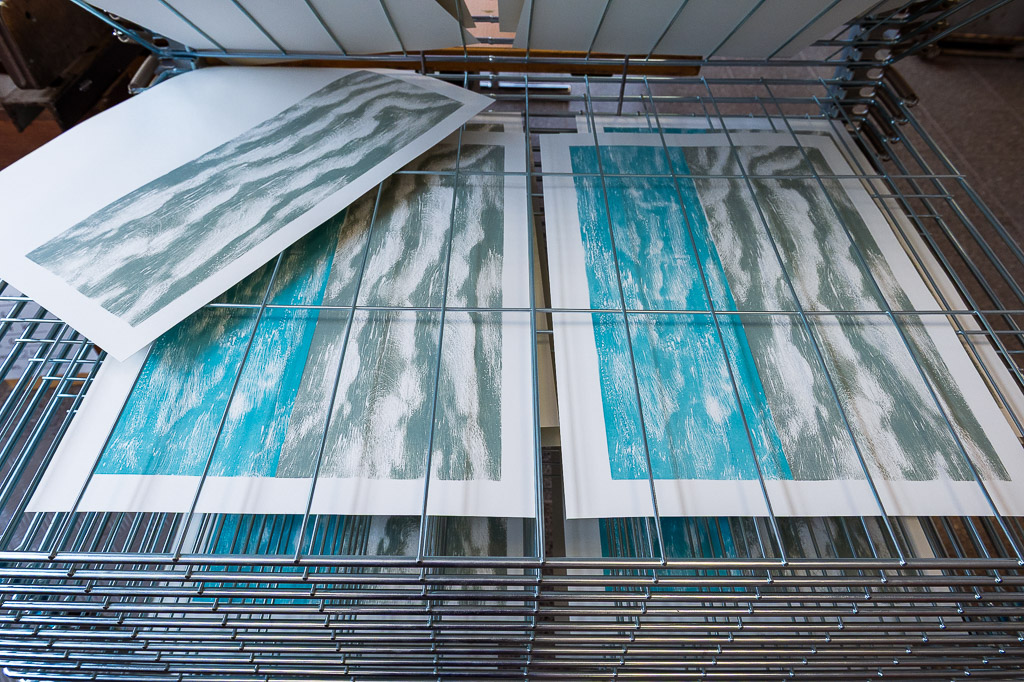
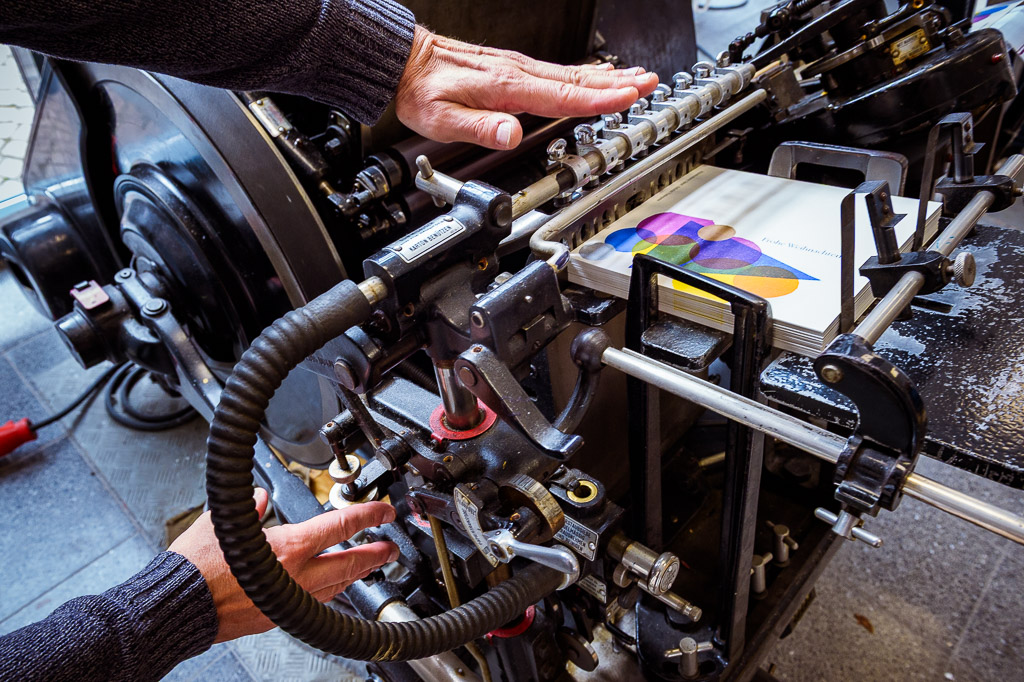
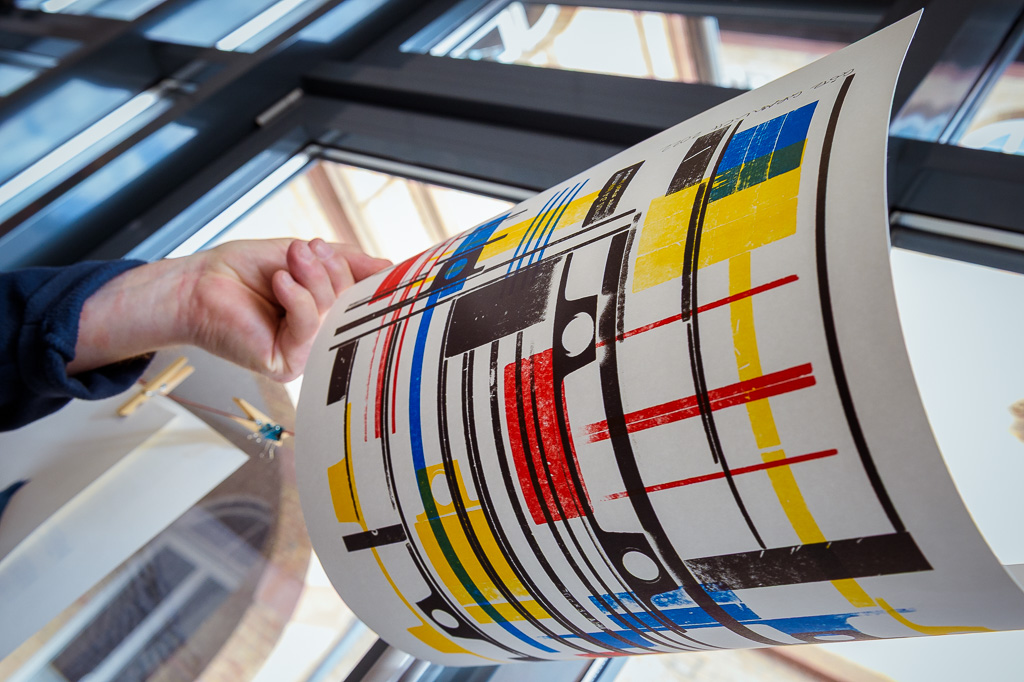
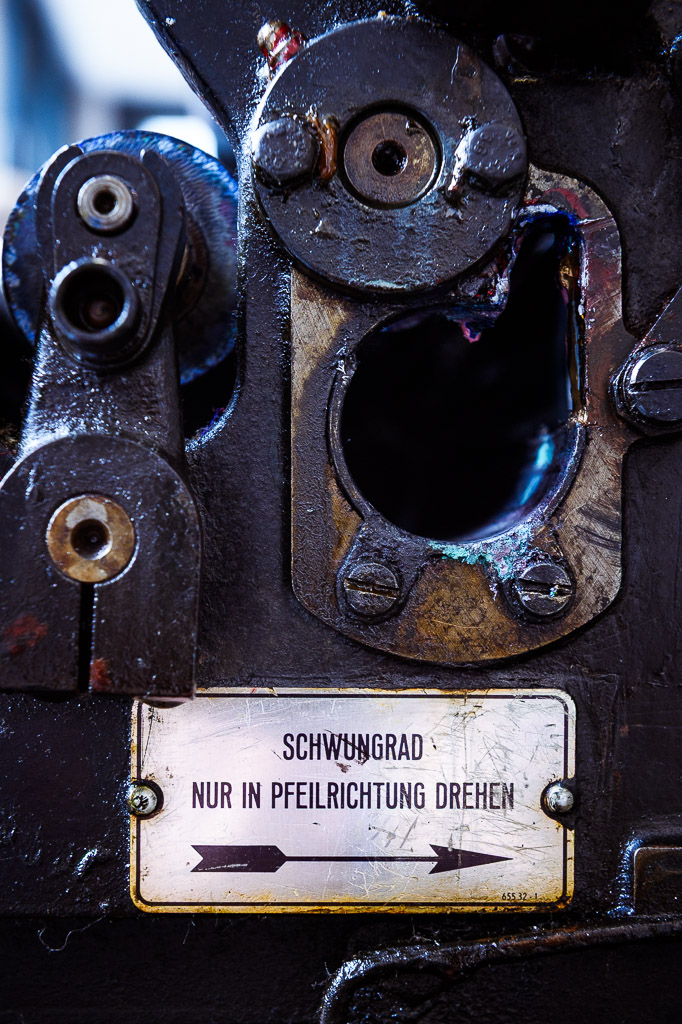
The grey sky hangs heavy over the roaring sea. Klaus Raasch has just finished carving the rolling waves into his woodcut for his Seestück (seascape) picture using a grinder. Now the artist carefully adjusts a piece of paper. Then the old press sweeps across the sheet with a swing. And there the spray is foaming in a greyish blue—at least on the sheet of paper. Klaus looks at the result with satisfaction. Two hand presses and a paper press, plus a Heidelberg printing machine, are at his disposal at the Winkeldruckerey printing house in Speyer this weekend. He does have his own machines in his beautiful studio in Grethem-Büchten in Lower Saxony, but “what I miss there is the exchange.”

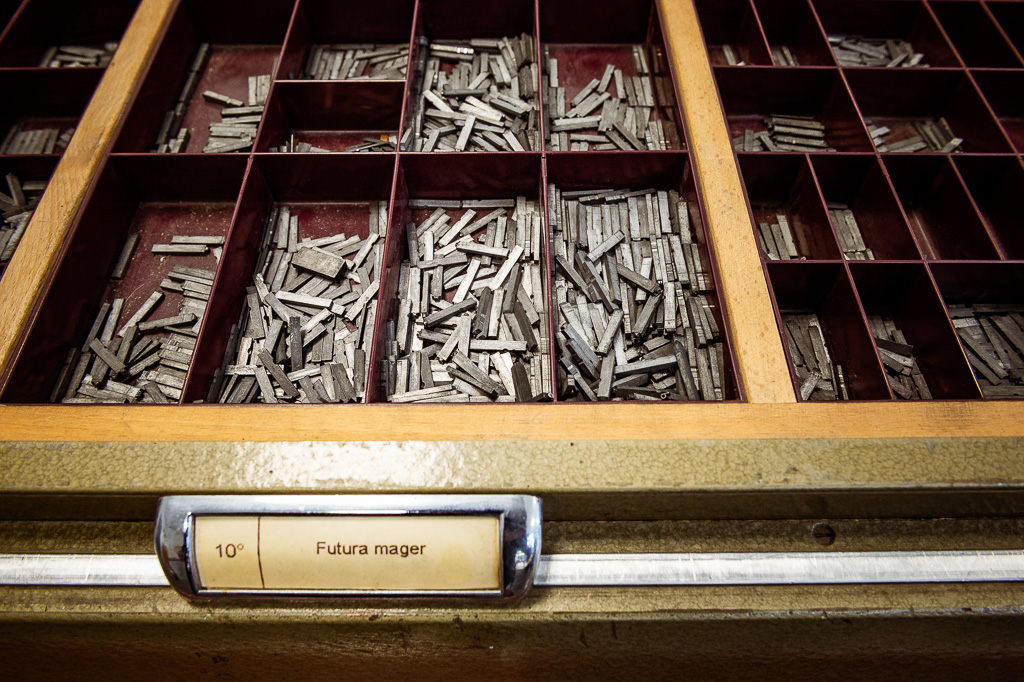
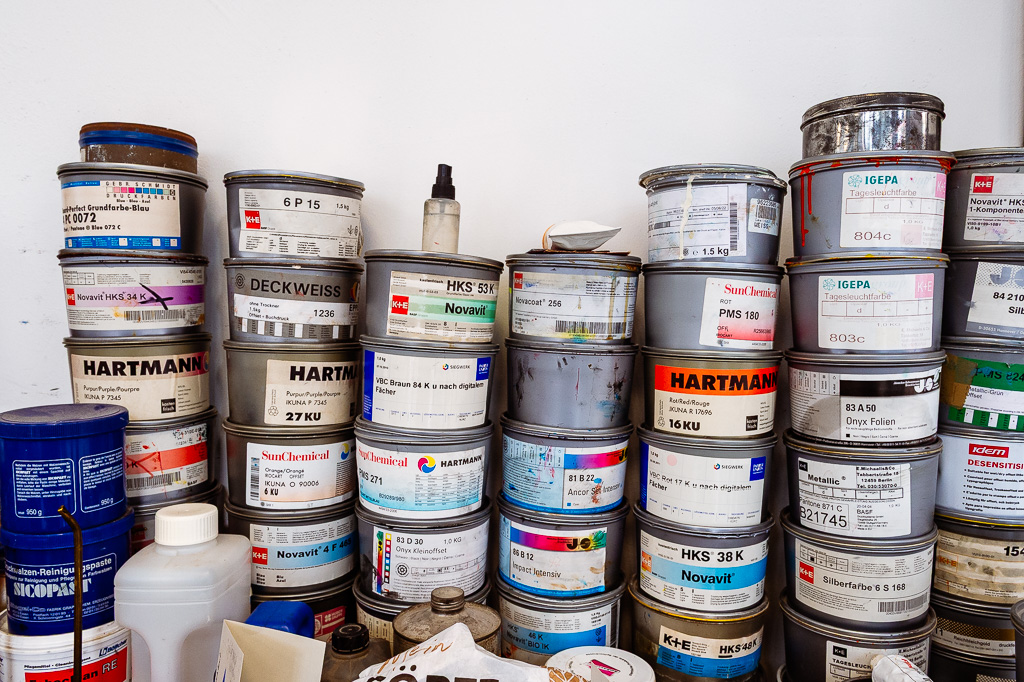
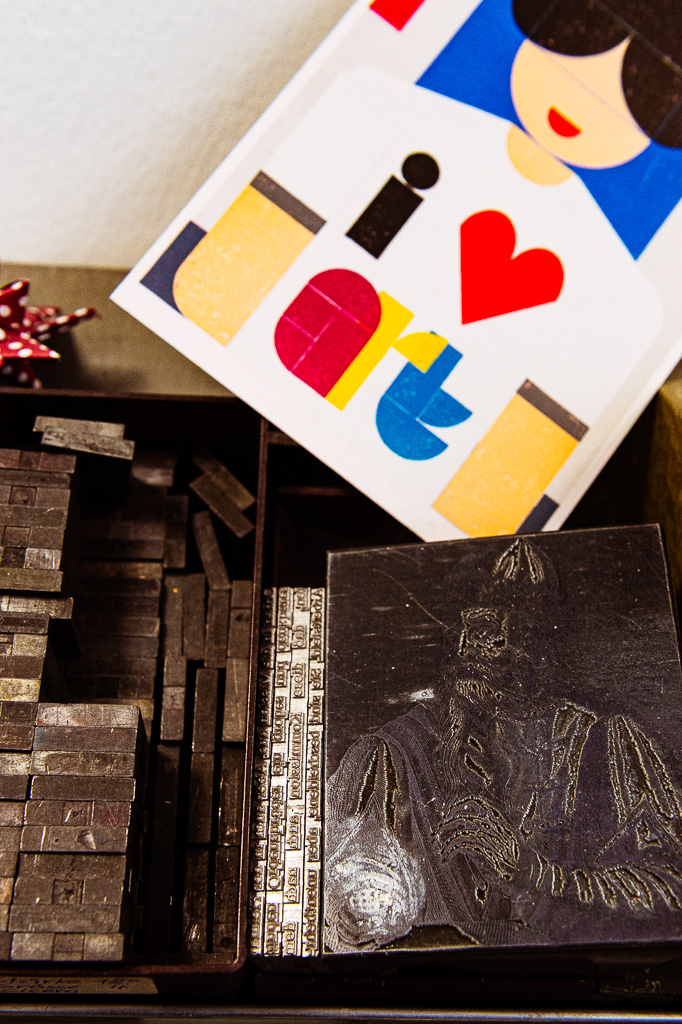
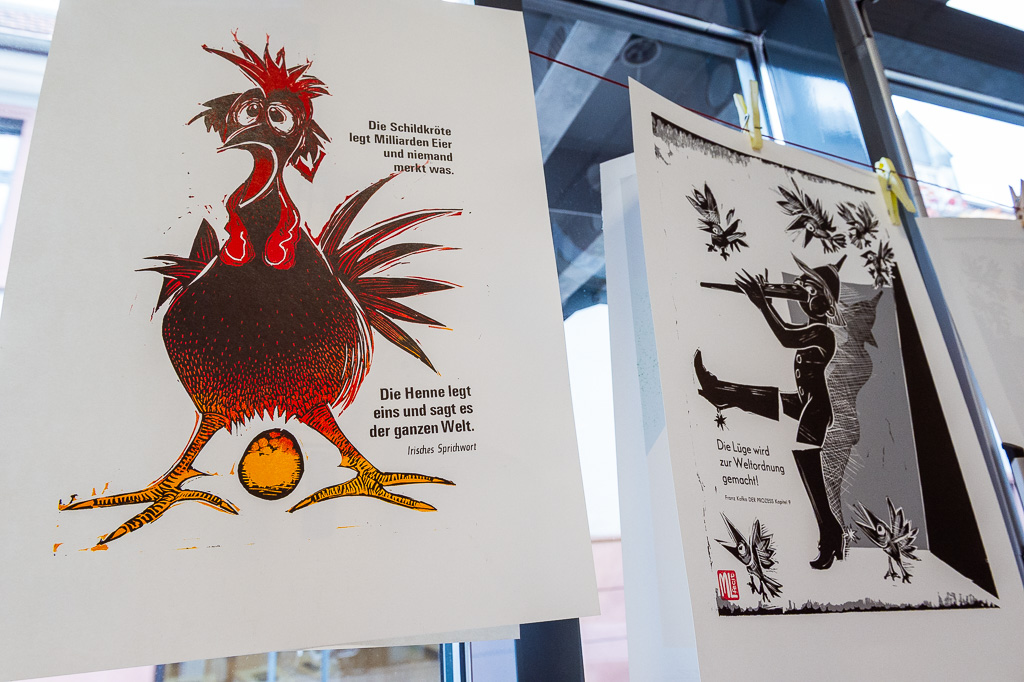
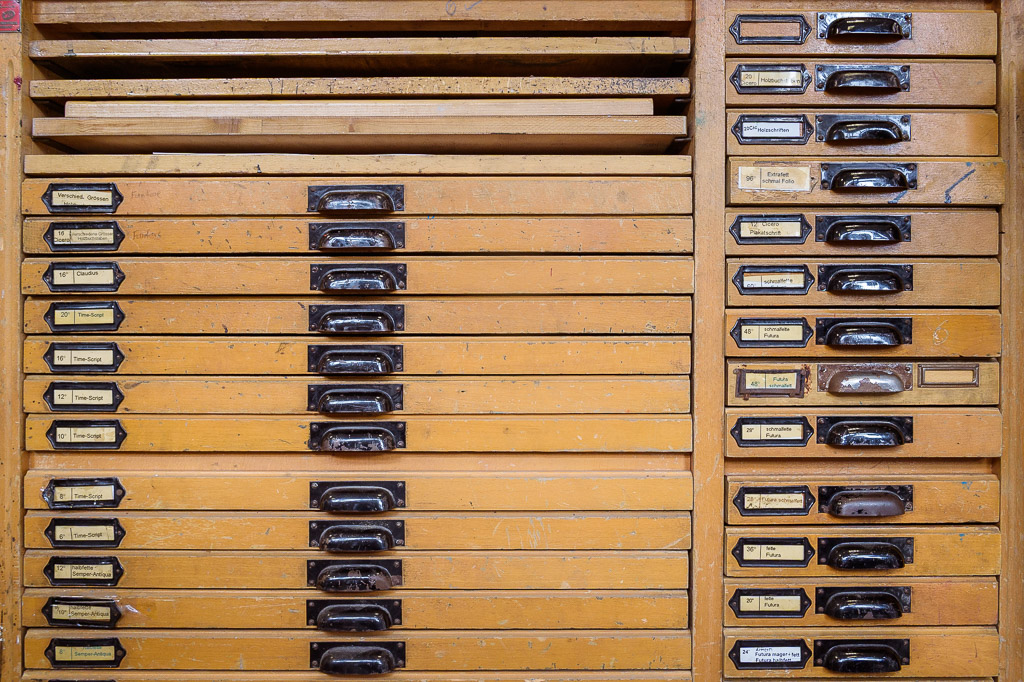
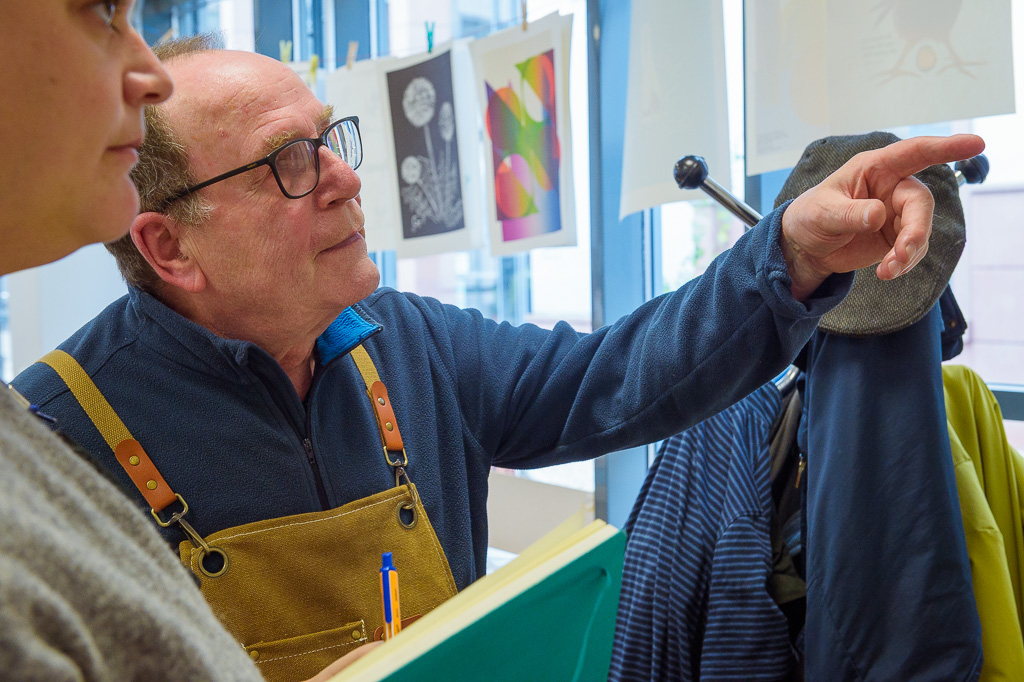
That’s what printer Remo Krembel and typesetter Johannes Doerr are all about. They have been running the studio at the Kulturhof Flachsgasse complex since 2020—on a voluntary basis. Everybody is welcome to talk shop with them about techniques and terminology, bring or design their own linocuts, and look over the shoulders of professional artists from all over Europe. Countless type cases hold the treasure of an old craft tradition. And even though the Winkeldruckerey’s main inventory comes from a now defunct company in Speyer, pieces from the professional lives of the two retired masters can be found everywhere as well, such as the huge variety of papers and colours. But you quickly understand that this place is not just about precision craftsmanship when you enter the bright workrooms in the heart of Speyer, right next to the Kunstverein art club, the Städtische Galerie art gallery and the ZimmerTheater theatre, just a few minutes’ walk from Speyer Cathedral. It’s about curiosity about different techniques and the desire to experiment. “We don’t give courses,” says Remo. The studio is intended rather as an open space to experiment and implement ideas, which opens once a week, and also for events and printing weekends like the one with Klaus.

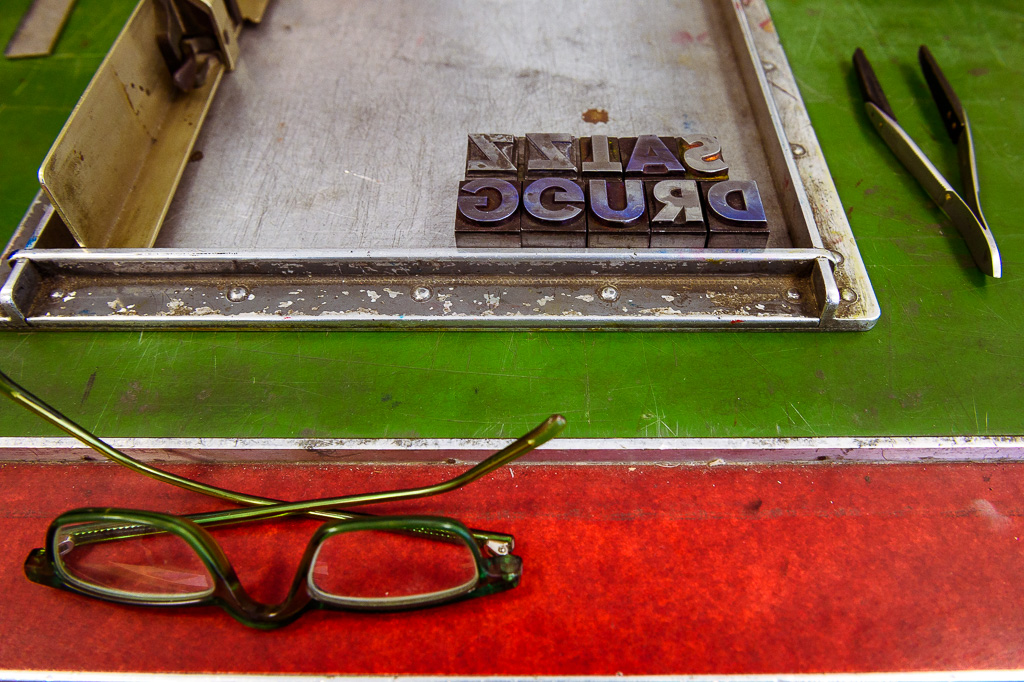
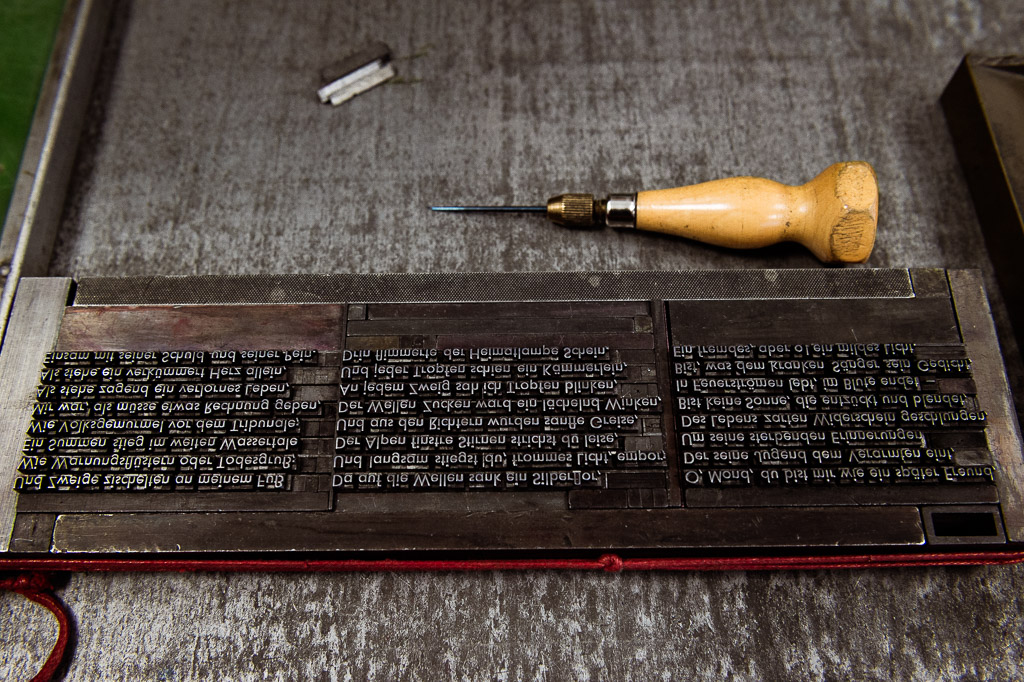
“3,800 letters in an hour without mistakes—that used to be our benchmark in training,” recalls Johannes with a smile. The white-haired man with the characteristic moustache still masters the precision of yesteryear today. Just recently, he typeset a Hilde Domin poem for the artist Urte von Maltzahn-Lietz from Leipzig, for which she created the design. Tiny rows of words, close together. While Remo specialises in printing, Johannes’ métier is typesetting. He learned the profession of typesetter at Zechnersche Buchdruckerei in Speyer. After completing his master’s examination, he spent many years there typesetting specialist books for the chemical industry as well as church newspapers or catalogues for Neckermann and Ikea. He was also responsible for high-quality encyclopaedias such as Brockhaus, which was produced in Speyer for a long time after the Bibliographic Institute moved from Leipzig.